

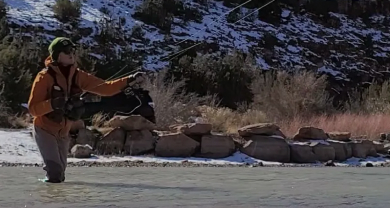


Welcome back to Tying Tuesday! This week, join Kyle in the studio as he demonstrates how to tie the Easy Caddis Pupa. Fly fishing with a caddis pupa is incredibly effective, especially during hatch times. Don’t miss out on learning this versatile pattern!
Tips & Tricks
Fly fishing with a caddis pupa can be highly effective, especially during caddis hatch periods. Here are some tips and tricks to maximize your success with caddis pupa patterns:
1. Fish the Drift
Dead-drift Presentation: Caddis pupae drift naturally in the current, so dead-drifting your fly is crucial. Cast upstream or quartering upstream to allow for a natural drift.
Swing the Fly: As caddis pupae rise to the surface, try letting your fly swing at the end of the drift to mimic their ascent. This technique often triggers strikes.
2. Match the Hatch
Size and Color: Ensure your fly matches the size and color of the natural caddis pupae in the river you’re fishing. Sizes 14-18 are common, but this can vary.
Emerging Caddis: Pay attention to when caddis are emerging. Fishing a pupa pattern just before or during a hatch can be particularly productive.
3. Fish Near the Bottom
Use Weight: Caddis pupae typically drift near the riverbed before ascending to the surface. Use enough weight or a weighted fly to keep it in the strike zone. Split shot or a tungsten beadhead pupa pattern can help.
Czech or Euro Nymphing: If you’re fishing a deep pool or fast water, consider tight-line nymphing techniques like Czech or Euro nymphing to keep your fly at the proper depth.
4. Focus on Transition Zones
Riffles to Runs: Caddis pupae are often found in riffles where the water is oxygenated but will drift into slower runs or pools to emerge. Fish these transition zones for higher success.
Near Banks and Undercuts: Caddis often emerge near structure like undercut banks or along the edges of faster currents. Target these areas with precision casting.
5. Add Movement to the Fly
Twitching or Strip-Retrieving: Adding slight movement during your drift can simulate the natural movement of a caddis pupa as it struggles to the surface. Subtle twitches or short strips can trigger strikes.
Skating for Surface Emergers: If caddis are breaking the surface, try skating your caddis pupa or emerger fly across the top by raising the rod tip or doing a slow retrieve.
6. Use a Two-Fly Rig
Nymph and Emerger Setup: Fish a caddis pupa as a dropper beneath a dry fly or an emerger pattern. The dry fly serves as an indicator while the pupa fishes subsurface.
Indicator Fishing: You can also use an indicator with a weighted pupa beneath to keep the fly at the right depth while ensuring you detect subtle strikes.
7. Be Aware of Timing
Late Afternoon and Early Evening: Caddis hatches often happen in the late afternoon or early evening. Fish pupae during these times to catch fish feeding before the hatch.
Cloudy Days: Caddis pupae can be effective during overcast conditions, as these are often the times when fish are most active.
8. Go Small When Needed
Switch to Smaller Sizes: If fish are refusing larger caddis pupa patterns, switch to smaller sizes, especially when fishing clear or pressured waters.
9. Use Fluorocarbon Tippet
Low-Visibility Presentation: Caddis pupae are often fished in clearer water, so using fluorocarbon tippet (4x to 6x) will help reduce the chances of spooking fish.
10. Experiment with Depth
Adjust Your Depth Often: Sometimes the fish will be closer to the surface than expected. Try different depths by adjusting your indicator or adding/removing weight until you find where the fish are feeding.
11. Check for Drag
Avoid Micro Drag: Micro-drag can cause fish to refuse your fly. Ensure your fly is drifting naturally by using a slack line technique or by mending your line frequently.
By applying these tips, you’ll increase your chances of success when fly fishing with caddis pupa patterns, particularly when you’re fishing around hatch times and targeting actively feeding fish.
Please Note: Part of this content was created using AI tools, reviewed, and edited by our team to ensure accuracy.
Ingredients & Recipe:
• Hook: MFC Wide Gap Jig Hook, Size – 18
• Bead: Fulling Mill Tungsten Gold, Size – 7/64
• Thread: Semperfli Nano Silk, Brown, Size – 6/0
• Nymph Wrap: Fulling Mill, Nymph Wrap Caddis Green, Size – Micro / 2mm
• Dubbing: Wapsi, SLF Kaufman Dubbing, Brown Stone
Check out some of our favorite Fly Tying Gear:
- Vise – Dynaking Barracuda Deluxe Pedestal Vise
- Scissors – Kopter ABSOLUTE Blade Micro Serrated Edge Thin Point
- Bodkin – Dr. Slick Jumbo Carbon Fiber Bodkin
- Whip Finisher – Tiemco Midge Whip Finisher
- Tool Kit – Umpqua Dream Stream Plus 7 Piece Fly Tying Tool Kit

