



RIVER REPORT
Uncompahgre River | Below Ridgway Res
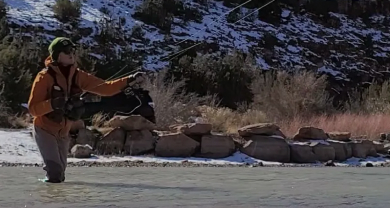
The Uncompahgre River below Ridgway Reservoir, located in southwestern Colorado, is a prime fly fishing destination renowned for its abundant trout population and scenic beauty. As a tailwater fishery, the river benefits from consistent, cold flows, creating ideal conditions for large rainbow and brown trout to thrive. This stretch of the river flows through the Uncompahgre Valley, surrounded by striking views of the San Juan Mountains and lush cottonwood forests. Anglers are drawn to its clear waters and challenging fishing conditions, while outdoor enthusiasts can enjoy hiking, wildlife watching, and the peaceful ambiance of this rugged yet serene landscape.
CONDITIONS
Weather & Flow Data Reported From OpenWeather and USGS
Recent Reports
Uncompahgre River Below Ridgway Reservoir – April Fly Fishing Report: As of early April, the Uncompahgre River below Ridgway Reservoir is offering excellent spring fishing conditions, particularly within the Pa-Co-Chu-Puk section of Ridgway State Park. Consistent flows and clear water create ideal conditions for targeting large rainbow and brown trout. Midges and Blue-Winged Olives (BWOs) are the dominant hatches, with Zebra Midges, RS2s, and Pheasant Tails (sizes 18–22) producing well on nymph rigs. Mysis Shrimp patterns near the dam are also highly effective. Dry fly action is possible during warm midday periods, and a stealthy approach with 5x–6x tippet is key due to the river’s clarity. With fish becoming increasingly active, now is a great time to explore this productive tailwater before runoff season kicks in.
Water Flow Data
5 Day Outlook
BUGS
The Uncompahgre River’s insect life provides a smorgasbord for hungry trout. AvidMax recommends these key fly patterns:
THE FISHERY
The Uncompahgre River below Ridgway Reservoir offers anglers a productive tailwater fishery, with steady flows and large trout thriving in the cold, clear waters beneath the stunning peaks of the San Juan Mountains.
Fish Species
The Uncompahgre River below Ridgway Reservoir is known for its healthy populations of brown and rainbow trout, with the potential to catch trophy-sized fish. Trout in this section often range from 12-20 inches, with larger fish present, particularly due to the cold, nutrient-rich water coming from the reservoir.
Unique Fishing Conditions
This tailwater section of the Uncompahgre benefits from consistent, cold flows year-round, making it a prime location for fly fishing in all seasons. The river features deep pools, riffles, and runs, offering diverse fishing opportunities. Nymphing is highly productive year-round with small midge, mayfly, and baetis patterns (sizes 16-22), while dry fly fishing is best during summer hatches of caddis and blue-winged olives. Streamers can be particularly effective in the fall when targeting larger, aggressive brown trout.
Access and Regulations
Access to the Uncompahgre River below Ridgway Reservoir is excellent, particularly through the Pa-Co-Chu-Puk area within Ridgway State Park. This section is managed as Gold Medal Waters, meaning artificial flies and lures only, and catch-and-release is required for trout over 20 inches. Anglers should check flow conditions before heading out, as water levels can fluctuate due to releases from the reservoir, affecting both fishing conditions and wading safety.
TACTICS
AvidMax encourages anglers to explore their full repertoire on the Uncompahgre River:
Nymphing
Nymphing allows anglers to target trout feeding below the surface, with or without an indicator, making it an effective technique for covering deep runs and slow pools where fish are actively feeding on subsurface insects.
Dry Fly Fishing
Fishing with dry flies provides the ultimate surface experience, imitating adult insects and offering exciting visual strikes, particularly during hatches when trout are feeding on the water’s surface.
Streamer Fishing
Using streamers mimics baitfish and other larger prey, offering an aggressive approach that can entice bigger, predatory trout, especially when fishing deeper water or fast-moving currents.

SEASONS
Each season on the Uncompahgre River brings unique joys and challenges for AvidMax anglers:
Spring
Spring brings cold, consistent tailwater flows, making it a good time for nymphing with stonefly and baetis patterns. Focus on deeper pools and seams as runoff can make surrounding rivers murky, but the Uncompahgre often stays clear.
Summer
Summer provides excellent dry fly fishing with hatches of caddis, blue-winged olives, and PMDs. Fishing in the early morning and late evening is most productive as midday water temperatures can rise.
Fall
Fall is prime time for targeting large brown trout as they move to spawn. Streamers and egg patterns fished in deeper pools and near structure can yield big, aggressive trout.
Winter
Winter fishing is productive in the tailwater section, with small midge and baetis nymphs being the go-to flies. Focus on the slow, deep pools where fish hold during colder months.

REMEMBER
The Uncompahgre River below Ridgway Reservoir is a productive tailwater fishery, offering consistent cold water and healthy trout populations. However, its popularity and controlled flow require anglers to practice responsible fishing to maintain the quality of this excellent fishery.
Water Conditions
The flow of the Uncompahgre River is regulated by releases from Ridgway Reservoir, which can vary throughout the year. Always check flow rates before heading out, as higher flows can make wading difficult and change fish behavior.
Regulations
This section of the river has specific catch-and-release rules and artificial flies and lures-only restrictions. Be sure to familiarize yourself with local regulations to help preserve the fishery and maintain healthy trout populations.
Safety
The cold, fast-moving waters and rocky riverbed can make wading tricky, especially after water releases. Wear proper wading boots with good traction and exercise caution in deeper or swifter sections, as the river can rise quickly after releases.

COMMENTS
We want to hear from you! Have you fished this River or have any advice for fellow anglers?
Leave a Reply