


RIVER REPORT
South Platte River | Below Chatfield
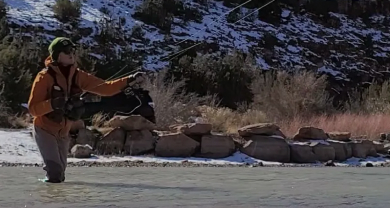
The South Platte River below Chatfield Reservoir offers anglers a unique urban fly fishing experience just outside of Denver, Colorado. This tailwater section features consistent flows and cool, clear water, supporting populations of brown and rainbow trout, along with bass, carp, and other warm-water species. The river meanders through cottonwood-lined banks and open meadows, providing a natural oasis amidst the city’s outskirts. With a mix of riffles, runs, and deeper pools, the South Platte below Chatfield is ideal for a variety of fishing techniques. Its proximity to the metro area makes it a convenient yet rewarding destination for anglers seeking a quick escape into nature without venturing far from the city.
CONDITIONS
Weather & Flow Data Reported From OpenWeather and USGS
Recent Reports
South Platte River Below Chatfield Reservoir – April 2025 Fly Fishing Report: As of early April 2025, the South Platte River below Chatfield Reservoir is experiencing typical spring conditions. Flows are currently low and clear, necessitating a stealthy approach and precise presentations. Anglers can anticipate hatches of midges and Blue-Winged Olives (BWOs) during warmer midday periods, providing opportunities for both nymphing and dry fly fishing. Effective nymph patterns include Pheasant Tails, Copper Johns, and RS2s in sizes 16–20. For dry fly enthusiasts, BWOs and midge patterns in sizes 18–22 can be productive during active hatches. Additionally, streamer fishing with patterns like Woolly Buggers and Sculpzillas can yield positive results, especially during overcast conditions. Employing light tippets (5x to 6x) and focusing efforts during the warmest parts of the day, typically late morning to early afternoon, can enhance success rates. Overall, the South Platte River below Chatfield Reservoir offers rewarding opportunities for anglers this April.
Water Flow Data
5 Day Outlook
BUGS
The South Platte River’s insect life provides a smorgasbord for hungry trout. AvidMax recommends these key fly patterns:
THE FISHERY
The South Platte River below Chatfield Reservoir offers anglers a convenient urban fishing spot, with consistent flows and a variety of trout and warm-water species, making it a diverse and accessible fishery near Denver.
Fish Species
The South Platte River below Chatfield Reservoir is home to a mix of species, including rainbow trout, brown trout, and smallmouth bass. While trout are the primary target for fly anglers, warmwater species such as bass and carp can also be found in this section, especially during the warmer months. Trout tend to be smaller here compared to other sections of the South Platte, typically ranging from 10-14 inches.
Unique Fishing Conditions
This section of the South Platte runs through an urban area, offering easy access but requiring technical fishing. The river has slower flows and deep pools, with clearer water making stealth important. During the warmer months, hatches of caddis, blue-winged olives, and midges provide good dry fly and nymph fishing opportunities. Nymphing with small patterns (sizes 16-22) and streamers is effective year-round. The presence of warmwater species such as smallmouth bass and carp adds diversity to the fishing experience, particularly in summer.
Access and Regulations
Access to the South Platte below Chatfield Reservoir is excellent, with public trails and parks, including Chatfield State Park and South Platte Park, providing multiple entry points for wading. There are no special regulations for this section, but catch-and-release is encouraged, especially for trout, to maintain the fishery. Seasonal flow changes due to water releases from Chatfield Reservoir can impact fishing conditions, so it’s recommended to check water levels before heading out.
TACTICS
AvidMax encourages anglers to explore their full repertoire on the South Platte River:
Nymphing
Nymphing allows anglers to target trout feeding below the surface, with or without an indicator, making it an effective technique for covering deep runs and slow pools where fish are actively feeding on subsurface insects.
Dry Fly Fishing
Fishing with dry flies provides the ultimate surface experience, imitating adult insects and offering exciting visual strikes, particularly during hatches when trout are feeding on the water’s surface.
Streamer Fishing
Using streamers mimics baitfish and other larger prey, offering an aggressive approach that can entice bigger, predatory trout, especially when fishing deeper water or fast-moving currents.

SEASONS
Each season on the South Platte River brings unique joys and challenges for AvidMax anglers:
Spring
Spring can bring higher flows as snowmelt enters the system, making streamers and larger nymphs like stoneflies and San Juan worms effective. Focus on slower water near the banks and deeper runs.
Summer
Summer provides good dry fly action during caddis and terrestrial hatches, especially early mornings and late evenings when water temperatures are cooler. Fishing small hoppers or ants along the banks can be particularly effective.
Fall
Fall sees lower flows and cooler water, making it a prime time for nymphing with midges and baetis patterns. Look for trout in deeper runs and pools as they prepare for the winter months.
Winter
Winter fishing requires a patient approach, with trout holding in slow, deep pools. Small midge nymphs and baetis patterns fished under an indicator are the most productive during colder conditions.

REMEMBER
The South Platte River below Chatfield Reservoir offers convenient access to excellent trout and warmwater species fishing, with a mix of tailwater and freestone conditions. However, the urban setting and fluctuating water levels require anglers to be mindful of the environment and fish responsibly to maintain the river’s health.
Water Conditions
Flows below Chatfield Reservoir can vary significantly depending on reservoir releases and seasonal runoff. Check current flow rates before heading out, as high flows can make wading dangerous, while low flows may require a more delicate approach.
Regulations
This section of the South Platte may have special regulations, including catch-and-release and restrictions on artificial flies and lures in certain areas. Be sure to review the regulations to ensure compliance and help protect the fishery.
Safety
The urban nature of this area can bring unexpected hazards, such as strong currents after dam releases and slippery, rocky riverbeds. Wear proper wading gear with good traction, and always be cautious when wading or crossing the river, particularly in deeper or faster-moving sections.

COMMENTS
We want to hear from you! Have you fished this River or have any advice for fellow anglers?
Leave a Reply