



RIVER REPORT
Delores River | Below McPhee Res
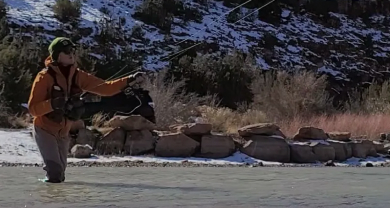
The Dolores River below McPhee Reservoir is a prime tailwater fishery, known for its cold, clear flows that create ideal conditions for trout. This stretch of river supports populations of rainbow, brown, and cutthroat trout, with the cold water releases providing year-round fishing opportunities. The habitat includes deep pools, undercut banks, and riffles, offering diverse fishing environments. Hatches of mayflies, midges, and caddisflies are common, making nymphing and dry fly fishing particularly effective, especially in spring and summer. While this section is subject to fluctuating water levels depending on dam releases, the scenic canyon setting and the quality of the trout fishing make it a favorite destination for anglers seeking solitude and technical fishing challenges.
CONDITIONS
Weather & Flow Data Reported From OpenWeather and USGS
Recent Reports
Dolores River Below McPhee Reservoir – April Fly Fishing Report: As of early April, the Dolores River below McPhee Reservoir is experiencing low and clear flows, typical for this time of year. Anglers can anticipate hatches of midges and Blue-Winged Olives (BWOs) during warmer midday periods, providing opportunities for both nymphing and dry fly fishing. Effective nymph patterns include Pheasant Tails, Copper Johns, and RS2s in sizes 16–20. For dry fly enthusiasts, BWOs and midge patterns in sizes 18–22 can be productive during active hatches. Additionally, streamer fishing with patterns like Woolly Buggers and Sculpzillas can yield positive results, especially during overcast conditions. Given the river’s clear water and technical nature, employing light tippets (5x to 6x) and a stealthy approach is advisable. Focusing efforts during the warmest parts of the day, typically late morning to early afternoon, can enhance success rates. Overall, the Dolores River below McPhee Reservoir offers rewarding opportunities for anglers this April.
Water Flow Data
5 Day Outlook
BUGS
Delores River’s insect life provides a smorgasbord for hungry trout. AvidMax recommends these key fly patterns:
THE FISHERY
The Dolores River below McPhee Reservoir offers anglers a premier tailwater fishery, with consistent flows and cold waters that support healthy trout populations amidst the rugged beauty of southwestern Colorado.
Fish Species
The Dolores River below McPhee Reservoir is home to wild brown and rainbow trout, with browns being more prevalent. While trout in this section typically range from 10-16 inches, there are opportunities to catch larger fish, especially browns during the fall pre-spawn period. This section of the river is managed to support a healthy population of wild trout.
Unique Fishing Conditions
As a tailwater fishery, the Dolores River below McPhee Reservoir benefits from cold, consistent flows, creating year-round fishing opportunities. The river offers a mix of slow pools, riffles, and deep runs. Spring runoff can affect conditions, but summer and fall are ideal for dry fly fishing with caddis, blue-winged olives, and terrestrials. Nymphing with small midge, mayfly, and caddis patterns (sizes 18-22) is effective year-round, especially in deeper runs and seams. Streamers work well in the fall for targeting aggressive browns.
Access and Regulations
Public access to the Dolores River below McPhee Reservoir is available through several access points along Forest Service roads and trails. This section is managed with special regulations, including artificial flies and lures only, to maintain its high-quality fishery. Anglers should practice catch-and-release, particularly for larger trout, to help sustain the river’s population. Checking water flows is important, as dam releases can affect fishing conditions and wading safety.
TACTICS
AvidMax encourages anglers to explore their full repertoire on the Delores River:
Nymphing
Nymphing allows anglers to target trout feeding below the surface, with or without an indicator, making it an effective technique for covering deep runs and slow pools where fish are actively feeding on subsurface insects.
Dry Fly Fishing
Fishing with dry flies provides the ultimate surface experience, imitating adult insects and offering exciting visual strikes, particularly during hatches when trout are feeding on the water’s surface.
Streamer Fishing
Using streamers mimics baitfish and other larger prey, offering an aggressive approach that can entice bigger, predatory trout, especially when fishing deeper water or fast-moving currents.

SEASONS
Each season on the Delores River brings unique joys and challenges for AvidMax anglers:
Spring
Spring brings consistent tailwater flows below McPhee Reservoir, making nymphing with stoneflies and baetis patterns effective. Focus on deeper runs and slower pools where trout hold as the water begins to warm.
Summer
Summer provides great dry fly fishing with hatches of caddis, PMDs, and terrestrials. Early mornings and late evenings are ideal for surface action, especially in riffles and along the banks.
Fall
Fall is prime for targeting aggressive brown trout as they prepare to spawn, with streamers and egg patterns being highly effective. Focus on deeper pools and structure where large trout are likely to hold.
Winter
Winter fishing remains steady due to controlled tailwater releases, with small midge and baetis nymphs working well in deep, slow-moving water. Fish during the warmest part of the day for the best chance of finding active trout.

REMEMBER
The Dolores River below McPhee Reservoir is a beautiful tailwater fishery with steady flows and thriving trout populations, but its delicate ecosystem requires responsible fishing practices to maintain its health and vibrancy. Treat the river with respect to help preserve its unique qualities for future anglers.
Water Conditions
As a tailwater fishery, flows are largely controlled by releases from McPhee Reservoir, which can fluctuate. Check flow levels before heading out, as high or low releases can significantly impact fishing conditions and wading safety.
Regulations
Some stretches of the Dolores River are subject to catch-and-release regulations and restrictions on tackle, such as artificial flies and lures only. Familiarize yourself with these rules to ensure compliance and protect the river’s fishery.
Safety
Wading can be tricky in deeper pools and faster currents, particularly after reservoir releases. Use caution when wading, wear appropriate gear, and be mindful of slippery rocks and sudden changes in water depth.

COMMENTS
We want to hear from you! Have you fished this River or have any advice for fellow anglers?
Leave a Reply