



RIVER REPORT
Colorado River | Catamount Bridge
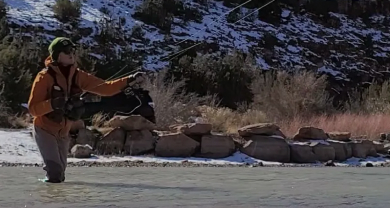
The Colorado River near the Catamount Bridge offers a secluded and scenic stretch of water, perfect for anglers seeking solitude and wild trout. Located in a remote area with limited access, this section of the river features a combination of fast riffles, deep pools, and meandering runs, providing diverse fishing opportunities. The river supports healthy populations of brown, rainbow, and cutthroat trout, with hatches of caddisflies, mayflies, and midges occurring regularly. Due to its isolation, this stretch sees less fishing pressure, making it ideal for anglers looking to enjoy a peaceful, uncrowded experience while targeting quality fish in a stunning mountain setting.
CONDITIONS
Weather & Flow Data Reported From OpenWeather and USGS
Recent Reports
Colorado River @ Catamount Bridge – April Fly Fishing Report: As of early April, the Colorado River near Catamount Bridge is experiencing typical spring conditions. Anglers are reporting success with nymphing techniques, particularly using patterns such as Pat’s Rubber Legs (sizes 6–12), Black Copper Johns (sizes 16–20), and 20 Inchers (sizes 14–18). Streamer fishing has also been productive, with patterns like Sex Dungeons and Bowlicious yielding positive results. It’s advisable to monitor weather patterns and water clarity, as conditions can change rapidly during this season. Overall, the Catamount Bridge stretch of the Colorado River offers promising opportunities for anglers this April.
Water Flow Data
5 Day Outlook
BUGS
The Colorado River’s insect life provides a smorgasbord for hungry trout. AvidMax recommends these key fly patterns:
THE FISHERY
The Colorado River at Catamount Bridge offers anglers a peaceful, remote fishing experience with access to abundant trout and diverse water conditions, making it a rewarding destination for those seeking solitude and productive waters.
Fish Species
The Colorado River at Catamount Bridge is home to wild brown trout, rainbow trout, and occasional cutthroat trout. Browns dominate this section, with fish commonly ranging from 12-18 inches, though larger trout can be caught, particularly in the fall as browns enter their pre-spawn phase. This section is known for its healthy population of wild trout and offers a mix of sizes.
Unique Fishing Conditions
The river at Catamount Bridge flows through scenic ranchland, offering diverse fishing conditions with riffles, deep runs, and slower pools. This section sees consistent flows, making it productive year-round. In the spring and summer, caddis, blue-winged olives, and stonefly hatches provide excellent dry fly action. Nymphing with small midges and mayfly patterns (sizes 16-22) is effective throughout the year, especially during colder months or when hatches are minimal. Streamers work well in the fall for targeting larger browns.
Access and Regulations
Access to the river near Catamount Bridge is relatively easy, with several public pull-offs and sections of public land, though some areas are private and require caution. Regulations in this section require anglers to use artificial flies and lures only, with catch-and-release encouraged, especially for larger fish, to preserve the wild trout population. Anglers should check local regulations to ensure compliance and are encouraged to respect private property lines in this area.
TACTICS
AvidMax encourages anglers to explore their full repertoire on the Colorado River:
Nymphing
Nymphing allows anglers to target trout feeding below the surface, with or without an indicator, making it an effective technique for covering deep runs and slow pools where fish are actively feeding on subsurface insects.
Dry Fly Fishing
Fishing with dry flies provides the ultimate surface experience, imitating adult insects and offering exciting visual strikes, particularly during hatches when trout are feeding on the water’s surface.
Streamer Fishing
Using streamers mimics baitfish and other larger prey, offering an aggressive approach that can entice bigger, predatory trout, especially when fishing deeper water or fast-moving currents.

SEASONS
Each season on the Colorado River brings unique joys and challenges for AvidMax anglers:
Spring
Spring runoff can cause higher, faster flows, making nymphing with stoneflies and baetis patterns effective in slower water along the edges. Focus on deep pools and seams where trout find refuge from the strong current.
Summer
Summer offers great dry fly action with hatches of caddis, PMDs, and terrestrials like hoppers. Early mornings and late evenings provide the best fishing, especially in riffles and near undercut banks.
Fall
Fall is prime time for targeting aggressive brown trout as they prepare to spawn, with streamers and egg patterns being highly effective. Look for trout in deeper pools and near structure as they become more active.
Winter
Winter fishing can be productive, especially in slower, deeper water where trout hold during colder months. Nymphing with small midges and baetis patterns is effective during the warmest part of the day.

REMEMBER
The Colorado River at Catamount Bridge offers a peaceful, remote fishing experience with abundant trout and diverse water conditions. As this area sees less pressure than other stretches of the Colorado, it’s important to respect the solitude and natural beauty by practicing ethical fishing and preserving the environment.
Water Conditions
Flow levels can fluctuate depending on dam releases upstream and seasonal runoff, so check the current water conditions before heading out to ensure safe wading and productive fishing.
Regulations
This section of the river may have special regulations, including catch-and-release areas and restrictions on bait and tackle. Review local regulations carefully to protect the fishery and ensure compliance.
Safety
The remote nature of the area means limited access to services, so come well-prepared with all necessary gear. Wear proper wading boots, use caution in swift currents, and keep an eye on weather conditions, which can change rapidly.

COMMENTS
We want to hear from you! Have you fished this River or have any advice for fellow anglers?
Leave a Reply