



RIVER REPORT
Colorado River | Below Granby
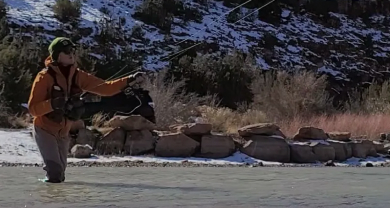
The Colorado River below Granby offers prime tailwater fishing in a scenic high-country setting. Flowing out of Granby Reservoir, this section of the river is renowned for its cold, controlled flows, which create excellent conditions for trout fishing year-round. Anglers can expect to catch brown, rainbow, and cutthroat trout in the clear waters, with deep pools, runs, and riffles providing diverse fishing opportunities. Aquatic insect hatches, including mayflies, caddisflies, and midges, are plentiful, making dry fly and nymph fishing especially effective. The river’s easy access and beautiful mountain surroundings make it a favorite destination for anglers seeking both solitude and success in landing quality fish.
CONDITIONS
Weather & Flow Data Reported From OpenWeather and USGS
Recent Reports
Colorado River near Granby – April Fly Fishing Report: As of early April, the Colorado River near Granby, Colorado, is transitioning into spring conditions. Anglers can anticipate sporadic midge hatches throughout the day, with the potential for Blue-Winged Olive (BWO) activity as water temperatures rise. Effective nymph patterns include Jujubaetis (#20–22), Top Secret Baetis (#20–22), and Black Beauties (#22). Dry fly enthusiasts may find success with Parachute Adams (#20–24) and Griffith’s Gnats (#22) during active hatches. Given the river’s clarity and the trout’s cautious behavior, employing light tippets (6x or 7x) and precise presentations is essential. Focusing efforts during the warmest parts of the day, typically late morning to mid-afternoon, can enhance success rates. Overall, the Colorado River near Granby offers rewarding opportunities for anglers prepared to meet its challenges this April.
Water Flow Data
5 Day Outlook
BUGS
The Colorado River’s insect life provides a smorgasbord for hungry trout. AvidMax recommends these key fly patterns:
THE FISHERY
The Colorado River below Granby offers anglers a prime tailwater fishery with consistent flows and abundant trout, set against the stunning scenery of Colorado’s high country.
Fish Species
The Colorado River below Granby is home to healthy populations of wild brown trout and stocked rainbow trout, with the potential to catch fish ranging from 12-20 inches. This section is also known for its occasional large rainbows due to stocking from the nearby Granby Reservoir, making it a prime spot for anglers targeting bigger fish.
Unique Fishing Conditions
This tailwater section provides year-round fly fishing opportunities due to steady flows from Granby Reservoir. The river features diverse water conditions, including deep runs, riffles, and pools, allowing for various techniques. Nymphing with small midges, blue-winged olives, and stonefly patterns (sizes 16-22) is effective year-round. During late spring and early summer, caddis and stonefly hatches offer excellent dry fly action, while streamers can be successful in the fall as brown trout move into their pre-spawn phase.
Access and Regulations
Access to the Colorado River below Granby is available via public lands and numerous access points, such as the Kemp-Breeze State Wildlife Area and other spots managed by the Colorado Division of Wildlife. This section is designated as Gold Medal Waters, meaning strict catch-and-release regulations apply for rainbows, and artificial flies and lures only are permitted. Anglers should be mindful of these regulations to help preserve the quality of the fishery. Fluctuating flows from the reservoir can impact fishing conditions, so checking flow levels before heading out is recommended.
TACTICS
AvidMax encourages anglers to explore their full repertoire on the Colorado River:
Nymphing
Nymphing allows anglers to target trout feeding below the surface, with or without an indicator, making it an effective technique for covering deep runs and slow pools where fish are actively feeding on subsurface insects.
Dry Fly Fishing
Fishing with dry flies provides the ultimate surface experience, imitating adult insects and offering exciting visual strikes, particularly during hatches when trout are feeding on the water’s surface.
Streamer Fishing
Using streamers mimics baitfish and other larger prey, offering an aggressive approach that can entice bigger, predatory trout, especially when fishing deeper water or fast-moving currents.

SEASONS
Each season on the Colorado River brings unique joys and challenges for AvidMax anglers:
Spring
Spring runoff can cause high, fast flows, but tailwater releases from Granby Dam often keep conditions stable, making nymphing with stoneflies and baetis patterns productive. Focus on slower pools and seams where trout hold during faster water.
Summer
Summer offers excellent dry fly fishing with hatches of caddis, PMDs, and green drakes. Early mornings and late evenings provide the best dry fly action, especially in riffles and along the edges.
Fall
Fall is prime time for targeting aggressive brown trout during their pre-spawn, with streamers and egg patterns being especially effective. Focus on deeper pools and runs near structure to find larger trout.
Winter
Winter fishing is slower, but trout can still be caught by nymphing with small midges and baetis patterns in deep, slow-moving water. The warmest part of the day offers the best chance to find actively feeding trout.

REMEMBER
The Colorado River below Granby offers a premier tailwater fishing experience, with steady flows and productive waters teeming with trout. However, the river’s popularity and delicate ecosystem require anglers to fish responsibly and be mindful of preserving the health of this cherished fishery.
Water Conditions
Flows are typically consistent due to the dam release, but water levels can fluctuate depending on releases from Granby Reservoir. Always check flow rates before heading out, as they can impact wading safety and fish behavior.
Regulations
This section may have catch-and-release regulations and artificial flies and lures-only requirements to protect the fishery. Make sure to familiarize yourself with the specific rules to maintain the quality of this tailwater.
Safety
The river’s cold, fast-moving waters and rocky riverbed can make wading hazardous, especially in higher flows. Wear proper wading gear with good traction and take care when navigating deeper pools and fast currents.

COMMENTS
We want to hear from you! Have you fished this River or have any advice for fellow anglers?
Leave a Reply