



RIVER REPORT
Arkansas River | Salida
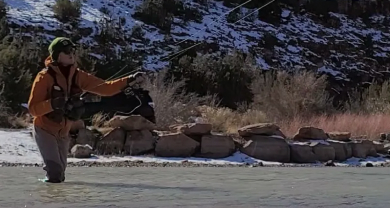
The Arkansas River near Salida, Colorado, is a vibrant stretch known for its world-class whitewater rafting, fishing, and scenic beauty. Flowing through a picturesque valley, it offers outdoor enthusiasts a mix of adventure and stunning mountain views, making it a central attraction in the region.
CONDITIONS
Weather & Flow Data Reported From OpenWeather and USGS
Recent Reports
Arkansas River @ Salida – April Fly Fishing Report: As of early April, the Arkansas River near Salida is exhibiting favorable fishing conditions, with flows around 244 cubic feet per second (CFS) and water temperatures ranging from 38°F to 46°F. Anglers are observing consistent midday hatches of midges and blue-winged olives (BWOs), prompting trout to feed actively in riffles and pocket water. Effective techniques include lightweight nymph rigs, dry-dropper setups, and double dry fly rigs. Recommended fly patterns encompass Zebra Midges (#18-22), Foam Back RS2s (#18-22), Duracell Jigs (#14-16), and various Perdigon variations. With the anticipated onset of the Mother’s Day caddis hatch later this month, anglers should be prepared for increased surface activity. Overall, the Salida stretch of the Arkansas River is offering promising opportunities for anglers this April.
Water Flow Data
5 Day Outlook
BUGS
The Arkansas River’s insect life provides a smorgasbord for hungry trout. AvidMax recommends these key fly patterns:
THE FISHERY
The Arkansas River at Salida is known for its abundant trout population and dynamic fishing conditions, offering anglers a prime spot to explore both riffles and deeper pools in one of Colorado’s most scenic river valleys.
Fish Species
The Arkansas River at Salida is known for its healthy populations of wild brown and rainbow trout, with browns being the dominant species. Trout in this section can range from 12-18 inches, with opportunities for catching larger fish, especially during the spring and fall when the browns are more active.
Unique Fishing Conditions
The river at Salida features diverse water conditions, including deep pools, fast riffles, and pocket water, making it suitable for various fishing techniques. Spring runoff can lead to higher flows, but summer through fall offers excellent dry fly and nymph fishing. Popular fly patterns include caddis, stoneflies, and blue-winged olives, particularly during the prolific caddis hatch in late spring, which is a major draw for anglers.
Access and Regulations
There are multiple access points near Salida, including Arkansas Headwaters Recreation Area and public lands along Highway 50. This section is part of Colorado’s Gold Medal Waters, meaning it is managed to support large populations of trophy trout. While no special gear regulations apply, anglers are encouraged to practice catch-and-release for larger fish and follow any seasonal guidelines to protect the fishery.
TACTICS
AvidMax encourages anglers to explore their full repertoire on the Arkansas:
Nymphing
Nymphing allows anglers to target trout feeding below the surface, with or without an indicator, making it an effective technique for covering deep runs and slow pools where fish are actively feeding on subsurface insects.
Dry Fly Fishing
Fishing with dry flies provides the ultimate surface experience, imitating adult insects and offering exciting visual strikes, particularly during hatches when trout are feeding on the water’s surface.
Streamer Fishing
Using streamers mimics baitfish and other larger prey, offering an aggressive approach that can entice bigger, predatory trout, especially when fishing deeper water or fast-moving currents.

SEASONS
Each season on the Arkansas brings unique joys and challenges for AvidMax anglers:
Spring
Spring runoff increases flows, but nymphing with stoneflies, caddis larvae, and baetis patterns in slower pools and along the banks can be productive. Focus on areas where trout take refuge from faster currents.
Summer
Summer offers excellent dry fly fishing with hatches of caddis, PMDs, and terrestrials like hoppers. Early mornings and late evenings are prime for surface action in riffles and near structure.
Fall
Fall is ideal for targeting brown trout as they prepare to spawn, with streamers and egg patterns working well in deeper runs and pools. Focus on areas near structure where aggressive trout are likely to hold.
Winter
Winter fishing is slower, but nymphing with small midge and baetis patterns in deeper, slow-moving water can still yield results. Fish during the warmest part of the day when trout are more likely to be active.

REMEMBER
The Arkansas River at Salida is one of Colorado’s premier trout fisheries, offering diverse fishing opportunities in a beautiful mountain valley. While the river provides year-round fishing, conditions can vary significantly with the seasons, so it’s important to be prepared and mindful of the river’s changing environment.
Water Conditions
Spring runoff can cause high and fast flows, making fishing more challenging. Late spring through fall offers more stable water levels, but always check flow conditions before heading out.
Regulations
Certain stretches of the river are managed under catch-and-release regulations with artificial flies and lures only, so be sure to familiarize yourself with local rules to help preserve the fishery.
Safety
Wading can be tricky during higher flows, and the riverbed is rocky and slippery in many areas. Use caution and wear proper wading gear, especially during spring runoff or after rainstorms.

COMMENTS
We want to hear from you! Have you fished this River or have any advice for fellow anglers?
Leave a Reply