



Welcome back to Tying Tuesday, folks! This week, Tay Tay is tearing it up in the studio with another Technical Tailwater Trout Tickler: Andy Kim’s – YONG SPECIAL – Glass Bead Variant
💥 Tie it. Fish it. Love it. #TyingTuesday
Recipe:
• Hook: Tiemco 2488H, Size 20
• Bead: Hareline Tyers Glass Bead, Size: Midge, Color: Pearl
• Thread: Semperfli Pure Silk 3/0, Color: Golden Olive
• Honey Brown Sharpie: don’t use the a fine tip unless that is all you have…
• Thread #2: Semperfli Nano Silk 6/0
Please note, some materials sell out quickly on Tuesdays after a video drops – you can always call Customer Service if you have a question about an alternate material option (720-836-3619)
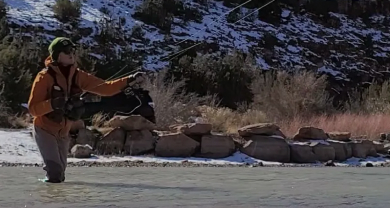
Tips and Tricks for Fishing Tactical Tailwaters in Winter
Fishing tailwaters in the winter can be challenging due to cold temperatures and selective trout behavior, but it’s also incredibly rewarding. Here are some strategies to help you succeed:
1. Understand Tailwater Dynamics
- Consistent Water Temperatures: Tailwaters often stay warmer than freestone streams during winter due to regulated flows from dams. This creates prime feeding conditions for trout, especially during midday when water temperatures peak.
- Steady Flows: Check discharge rates before fishing. Fluctuating flows can impact fish feeding patterns and behavior.
2. Dress for Success
- Layer appropriately with moisture-wicking and insulating materials to stay warm. Don’t forget gloves that allow dexterity for tying knots and a good pair of waders with thick socks.
- Use polarized sunglasses to reduce glare and spot fish more easily in low-angle winter light.
3. Go Small and Subtle
- Fly Selection: Winter trout are selective, so match the hatch. Midges, tiny Baetis nymphs, and scuds are staples.
- Patterns to try:
- Zebra Midges (#18–24)
- WD-40s (#18–22)
- RS2s (#20–24)
- JuJu Baetis (#18–22)
- Rainbow Warrior (#18–22)
- Scuds and sowbugs are often abundant in tailwaters—try sizes #14–18 in natural or orange hues.
- Patterns to try:
- Tippet Size: Use light fluorocarbon tippet (5X–7X) for a natural presentation.
4. Focus on Feeding Zones
- Target deeper pools and runs where trout hold during colder months.
- Look for soft seams, slow-moving water near faster currents, and eddies where fish expend less energy while waiting for food.
- Fish the bottom of riffles, where aquatic insects are often dislodged and trout actively feed.
5. Time Your Trip
- Trout are most active during the warmest parts of the day (10 AM–2 PM), when insect activity is highest.
- Avoid early mornings unless there’s a specific hatch or you’re streamer fishing.
6. Use Tactical Presentations
- Dead Drift Is Key: Present nymphs naturally with no drag. Use an indicator or tight-line nymphing techniques for precision.
- Short-Leash Nymphing: In shallow tailwaters, use a short leader setup to keep flies in the strike zone.
- Dry-Dropper: Combine a small midge dry fly with a lightly weighted nymph for finicky surface feeders.
7. Streamer Strategies
- Even in winter, trout will chase streamers. Use smaller, natural-colored patterns like olive, black, or brown sculpins.
- Strip streamers slowly and erratically to mimic a lethargic baitfish or injured sculpin.
8. Observe and Adjust
- Watch for surface activity, such as trout sipping midges. If fish are rising, switch to small dry flies like Griffith’s Gnats or Cluster Midges.
- Pay attention to the insects in the drift and adapt your fly patterns accordingly.
9. Minimize Disturbance
- Winter tailwaters often have clear water, so stealth is critical. Approach fishing spots quietly and avoid sudden movements.
- Use longer leaders (9–12 feet) for wary trout.
10. Stay Safe
- Be cautious of icy banks and slippery rocks.
- Let someone know your fishing plan and carry a small survival kit with essentials like a whistle, lighter, and snacks.
11. Patience Pays
- Winter trout can be sluggish, so take your time to cover the water methodically.
- Spend extra time in productive spots instead of moving around frequently.
By combining these tips with persistence and observation, you’ll improve your chances of landing fish while enjoying the unique beauty of winter tailwater fishing. Tight lines! 🎣
Check out some of our favorite Fly Tying Gear:
- Vise – Dynaking Barracuda Deluxe Pedestal Vise
- Scissors – Kopter ABSOLUTE Blade Micro Serrated Edge Thin Point
- Bodkin – Dr. Slick Jumbo Carbon Fiber Bodkin
- Whip Finisher – Tiemco Midge Whip Finisher
- Tool Kit – Umpqua Dream Stream Plus 7 Piece Fly Tying Tool Kit

When I first tied the Yong Special (from an article in Fly Fisherman, from Andy the originator) mid 2000’s, the thread was Coats &
Clark, and in two different colors (not on the same fly, two colors of thread for two different versions.) Your version looks nothing like the original, but thank you anyways.