

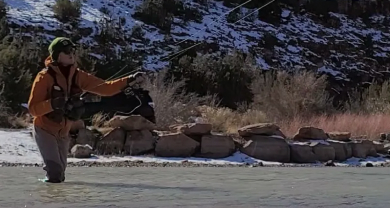


Welcome back to Tying Tuesday! This week, we have the “Carp-Assassin” Taylor in the studio crafting some pure fire, known as the Scorpion! This fly mimics various aquatic creatures, and we love its profile and how it sits in the water, thanks to the unique combination of materials used.
Tips & Tricks fishing for Carp
Fly fishing for carp can be a rewarding and challenging experience. Here are some tips to help you succeed:
1. Understand Carp Behavior
- Feeding Habits: Carp are often found feeding in shallow waters, especially in the mornings and evenings. Look for signs like bubbles, mud clouds, or tailing fish.
- Habitat: They prefer warm, slow-moving waters like ponds, lakes, and slow rivers. Carp often hang around structures like weed beds, rocks, and submerged trees.
2. Gear Selection
- Rod and Reel: A 6-8 weight fly rod is ideal. Ensure your reel has a good drag system to handle the strong runs of a carp.
- Line: Use a floating line for most situations. Having an intermediate line can be useful for deeper waters.
- Leader and Tippet: A 9-12 foot leader with a 10-15 lb tippet is recommended. Carp are wary fish, so fluorocarbon tippets are preferable due to their low visibility.
3. Fly Patterns
- Nymphs: Try patterns like the Hare’s Ear, Prince Nymph, and Pheasant Tail.
- Streamers: Woolly Buggers and Clouser Minnows can be effective.
- Crustaceans and Leeches: Patterns that mimic crayfish, leeches, and other small aquatic creatures work well.
4. Presentation Techniques
- Sight Fishing: Look for carp actively feeding and try to place your fly in their feeding path. Cast gently to avoid spooking them.
- Slow Retrieve: Use a slow, steady retrieve. Carp often take their time inspecting potential food items.
- Patience: Carp can be very cautious. Be patient and allow your fly to sit if a carp shows interest but doesn’t take immediately.
5. Stealth and Approach
- Stay Low: Keep a low profile to avoid being seen by the fish.
- Wading Carefully: Move slowly and quietly in the water to avoid creating ripples or noise.
- Casting Distance: Aim to cast from a distance to reduce the chance of spooking the fish.
6. Weather and Timing
- Warm Days: Carp are more active in warm weather, especially when the water temperature is between 68-85°F (20-29°C).
- Sunny Conditions: Bright, sunny days are ideal for spotting carp in shallow waters.
7. Patience and Persistence
- Carp fishing can be challenging and may require multiple attempts before you hook one. Stay patient and persistent.
8. Local Knowledge
- Talk to local anglers or visit a nearby fly shop to gather information about local carp habits and effective fly patterns.
9. Practice Catch and Release
- Carp are often targeted for sport, so practice catch and release to help maintain healthy populations.
By understanding the behavior of carp, using the right gear, and practicing proper techniques, you’ll increase your chances of having a successful and enjoyable fly fishing experience for carp.
Ingredients & Recipe
- Hook: Fulling Mill 1167 – Size 8
- Thread: Danville’s 140D – Olive
- Eyes: Hareline Bead Chain Eyes – Black
- Tail Material: Natures Spirit, Marabou – Olive
- Rubber Legs: Wapsi Sili Legs – Pumpkin Barred
- Dubbing Collar: Hareline Ice Dub – Peacock
- Upper Thorax: Wapsi Deer Body Hair – Olive
Check out some of our Shop’s Favorite tools:
- Vise – Dynaking Barracuda Deluxe Pedestal Vise
- Scissors – Kopter ABSOLUTE Blade Micro Serrated Edge Thin Point
- Bodkin – Dr. Slick Jumbo Carbon Fiber Bodkin
- Whip Finisher – Tiemco Midge Whip Finisher
- Tool Kit – Umpqua Dream Stream Plus 7 Piece Fly Tying Tool Kit

